
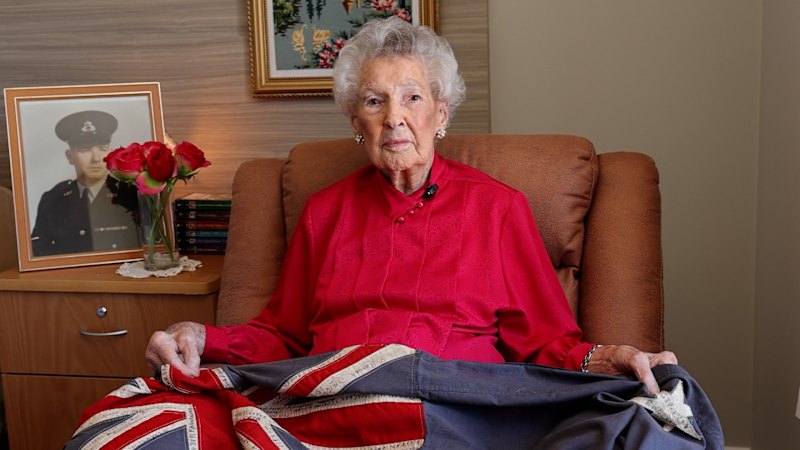
A rare handmade Australian flag stitched in secret by allied prisoners of war on the infamous Thai-Burma Railway remains a poignant testament to endurance and brotherhood. Preserved for decades by 105-year-old war widow Hazel Donaldson, the historic relic honors the memory of her late husband, Jimmy Donaldson, and the 60 fellow Australian survivors who brought it home from wartime captivity.
In This Article
A Symbol of Survival in Captivity
The creation of the flag was an act of extraordinary defiance under brutal conditions. Captured allied troops forced to construct the railway between Thailand and Burma risked severe punishment or execution to fashion national emblems from discarded fabric and ration sacks. According to original reporting by WAtoday, the banner survived the final months of the Pacific War and returned to Australia alongside sixty surviving servicemen.
For the men who endured daily beatings, malnutrition, and tropical diseases, maintaining a physical connection to their homeland was a critical source of morale. The flag represented shared solidarity and a quiet refusal to surrender dignity despite catastrophic working conditions.
The Thai-Burma Railway Ordeal
Constructed between 1942 and 1943, the Thai-Burma Railway—often referred to as the 'Death Railway'—spanned more than 400 kilometers through dense jungle and mountainous terrain. More than 60,000 allied prisoners of war, alongside upwards of 180,000 civilian laborers, were conscripted into forced labor by the Imperial Japanese Army. Historical records documented by the Australian War Memorial confirm that thousands of Australians perished along the track from dysentery, cholera, malaria, and severe exhaustion.
Surviving the line required exceptional fortitude and mutual support among camp comrades. Jimmy Donaldson was among the fortunate few who made it back to Australia, carrying the textile that bore the signatures and hopes of his fellow soldiers.
Hazel Donaldson's Lifelong Guardianship
Following Jimmy's return and their subsequent family life, Hazel Donaldson became the faithful custodian of the artifact. Now 105 years old, she has carefully safeguarded the flag for generations, ensuring that the sacrifices made by her husband's unit are never forgotten. Her dedication highlights the quiet resilience of war widows, who often carried the emotional weight of postwar trauma alongside their partners.
Preserving wartime textiles presents unique conservation challenges, as delicate cotton and hand-dyed fabrics deteriorate over time when exposed to light, humidity, and handling. The survival of this specific banner offers historians a direct, tactile link to the personal experiences of prisoners in Southeast Asia.
Historical Significance and Legacy
Handcrafted wartime relics serve as invaluable educational touchstones for younger generations seeking to understand the human cost of global conflict. Similar to broader heritage preservation efforts, documenting such artifacts ensures that public memory extends beyond military statistics to include individual stories of survival.
Veterans' associations continue to emphasize the importance of cataloging surviving artifacts held in private collections. Families holding similar heirlooms are increasingly encouraged to work with national archives and museums so that fragile historical testimonies remain accessible to future researchers.
Frequently Asked Questions
What was the Thai-Burma Railway?
The Thai-Burma Railway was a 415-kilometer railway built during World War II connecting Ban Pong, Thailand, to Thanbyuzayat, Burma. Constructed under brutal conditions using forced labor, tens of thousands of prisoners of war and civilian laborers died during its construction.
Who was Jimmy Donaldson?
Jimmy Donaldson was an Australian soldier and prisoner of war who survived forced labor on the Thai-Burma Railway. He returned to Australia with the handmade flag and sixty fellow survivors.
Why is this handmade flag historically significant?
The flag is a rare surviving artifact produced in secret under extreme peril. It symbolizes the resilience, unity, and shared identity of Australian prisoners during one of the most punishing captivity experiences of World War II.