
Skywatchers across the Northern Hemisphere are in for an autumn celestial display as the Northern Taurid meteor shower reaches its annual peak activity. Known for producing bright, slow-moving meteors called fireballs, this year's display benefits from favorable lunar conditions that offer darker night skies for observers.
While the Taurids do not generate the sheer volume of meteors seen during summer events like the Perseids, their distinct composition frequently delivers unusually luminous shooting stars. Understanding when and where to look can help astronomy enthusiasts maximize their chances of spotting one of these vivid streaks across the night sky.
In This Article
Peak Timing and Lunar Conditions
The Northern Taurid meteor shower is projected to reach its maximum rate of activity late Wednesday night into Thursday morning, as reported by 9News. Astronomers note that viewing conditions are especially promising this year due to minimal moonlight interference, which allows fainter streaks to remain visible to the naked eye.
Typically, the Northern Taurids produce around five visible meteors per hour under clear conditions. Although that frequency is modest compared to other major showers, the timing of the moon's phase means stargazers will not have to contend with intense lunar glare washing out the upper atmosphere.
Origins of the Taurid Meteor Shower
The Taurid complex is divided into two distinct streams: the Southern Taurids, which peak earlier in the autumn season, and the Northern Taurids, which follow shortly after in November. Both streams originate from the debris trail left behind by Comet 2P/Encke, a short-period periodic comet that orbits the sun roughly every 3.3 years.
As Earth travels along its orbital path, it intersects this broad swath of ancient dust and gravel. When these millimeter- to pebble-sized particles enter Earth's atmosphere at speeds of approximately 65,000 miles per hour, atmospheric compression and friction cause them to incinerate, creating visible streaks of light radiating from the constellation Taurus.
Why the Taurids Produce Fireballs
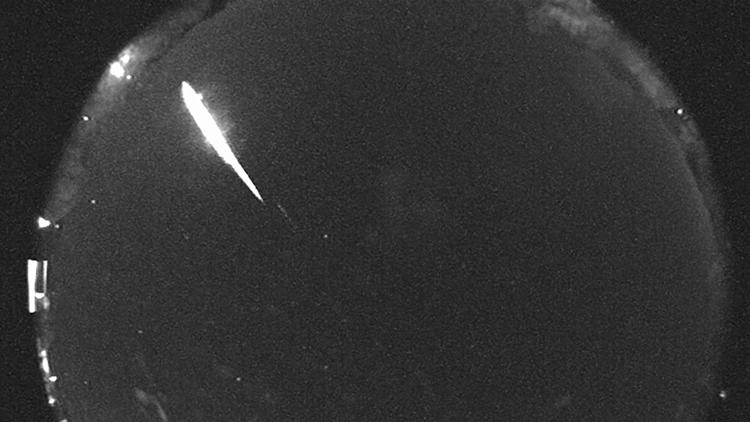
What sets the Taurids apart from other meteor showers is their reputation for producing fireballs. According to the American Meteor Society, a fireball is an exceptionally bright meteor that reaches or exceeds the apparent visual magnitude of Venus in the night sky.
Because Comet Encke has shed larger fragments than typical cometary bodies, some pieces surviving in the stream are substantial enough to create long-lasting flares and persistent smoke trails as they disintegrate. These slow-moving bursts can occasionally illuminate entire stretches of the horizon for several seconds.
Tips for Optimal Stargazing
Catching a glimpse of a Taurid meteor requires minimal specialized equipment, but thoughtful preparation can substantially improve the viewing experience:
- Find dark skies: Travel away from bright city centers, suburban streetlights, and commercial glare. Rural areas and designated dark-sky parks provide the highest contrast.
- Allow eyes to adjust: Give your vision 20 to 30 minutes in total darkness to develop night sensitivity. Avoid checking mobile phone screens or using white flashlights during this period.
- Dress warmly: November nights can become chilly quickly. Layered clothing, blankets, and reclining lawn chairs make stationary sky observation far more comfortable.
- Take in a wide view: Do not use binoculars or telescopes, as they restrict your field of view. Taurid meteors can streak across any quadrant of the sky, even though they trace back toward Taurus.
Frequently Asked Questions
What is the best time of night to watch the Northern Taurids?
The most productive viewing window occurs between midnight and the pre-dawn hours, when the constellation Taurus sits highest in the sky and Earth faces directly into the incoming stream of particles.
Do I need a telescope to see the Taurid meteors?
No. Meteor watching is best done with the naked eye. Optical devices like binoculars or telescopes narrow your field of vision, making it much harder to catch rapid, unexpected streaks.
How long will the Taurid shower remain active?
While peak activity concentrates around mid-November, individual Taurid meteors continue to appear intermittently through late November and early December before fading out completely.
Upcoming Celestial Events
Stargazers will have additional opportunities to observe meteor activity before the year concludes. The Leonid meteor shower peaks in mid-November, followed by the prominent Geminid meteor shower in mid-December, which traditionally ranks among the most prolific and dependable displays of the calendar year.